In recent years, the question of "why are some liquor bottles thicker than others" has gained attention among consumers and manufacturers alike. Jonathon Hightower, a packaging expert, explains, “The thickness of a bottle can reflect its quality, but it’s also about branding and protection.” This insight sheds light on the complex interplay between design and function in the liquor industry.
Thickness varies not just for aesthetic appeal, but also for practical reasons like durability and safe transport. For instance, a thicker bottle might indicate a premium product, making it more appealing on retail shelves. Yet, a thicker bottle can also add unnecessary weight, raising shipping costs and impacting the environment.
While some may assume thicker bottles always equate to better quality, this is not always true. Consumers should consider the underlying factors that influence bottle design. By understanding "why are some liquor bottles thicker than others," consumers can make more informed choices while navigating the vast selection in stores. This nuanced perspective encourages a deeper reflection on branding, quality, and sustainability in the liquor industry.
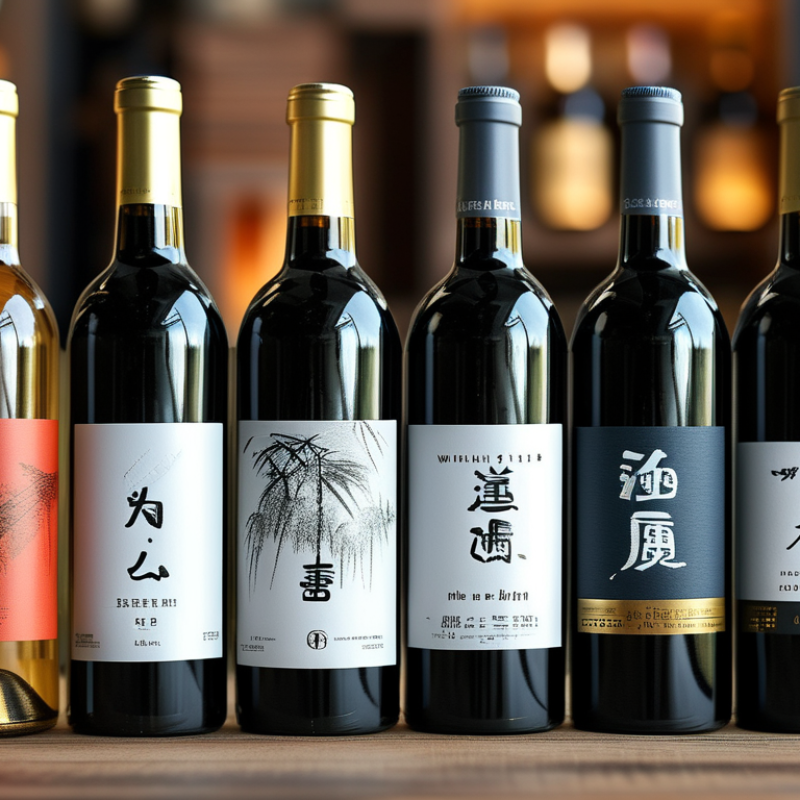
The thickness of liquor bottles in 2026 is a topic of growing interest. Several factors contribute to this variation. One significant aspect is the material choice. Some manufacturers prefer thicker glass for premium products. Thicker bottles can enhance the perception of quality. They also provide better insulation, maintaining temperature.
Another influencing factor is sustainability. Eco-conscious brands opt for lighter bottles to reduce carbon footprints. Thinner glass uses less raw material, directly impacting production processes. However, this choice may sometimes compromise durability. When bottles become thinner, they may not withstand transportation stresses as well as thicker counterparts.
Design trends also play a role in bottle thickness. Unique shapes and aesthetics may require thicker glass. Consumers increasingly seek visually appealing packaging. Yet, market demand can fluctuate. Some buyers prioritize functionality over looks. This ongoing shift highlights the need for brands to balance design and practicality. As a result, bottle thickness remains a complex decision fraught with considerations.
| Bottle Type | Thickness (mm) | Material | Weight (g) | Cost Efficiency ($/L) |
|---|---|---|---|---|
| Standard Bottle | 3.0 | Glass | 400 | 10.50 |
| Premium Bottle | 5.0 | Crystal Glass | 650 | 12.00 |
| Lightweight Bottle | 2.0 | Recycled Glass | 300 | 9.00 |
| Classic Bottle | 4.0 | Colored Glass | 500 | 11.00 |
| Eco-Friendly Bottle | 3.5 | Biodegradable Plastic | 350 | 8.50 |
: Several factors impact thickness, including material choice, sustainability, and design trends.
Thicker bottles enhance the perception of quality and luxury among consumers.
Lighter bottles reduce carbon footprints, appealing to eco-conscious consumers.
Thinner glass may save materials, but it can compromise durability during transport.
Unique designs often require thicker glass, balancing aesthetics and functionality is crucial.
A bottle too light may feel cheap, while an overly thick one might deter eco-aware buyers.
Engaging with consumers and researching trends can guide choices on bottle aesthetics.
Brands must balance consumer desires for quality and sustainability, which can be challenging.
Yes, branding plays a vital role, with thicker bottles conveying luxury and quality.
They should keep an eye on design trends and sustainability practices to stay relevant.
In 2026, the question of "why are some liquor bottles thicker than others" is influenced by a variety of factors ranging from material science advancements to consumer preferences. The evolution of glass production techniques has allowed for the creation of thicker yet equally elegant bottles, appealing to consumers who often associate thickness with quality and tradition.
Moreover, environmental considerations play a significant role in bottle design, as producers strive to balance durability with sustainability. The branding strategies within the liquor industry also impact bottle thickness choices, as companies leverage distinctive packaging to enhance their product's market presence. Ultimately, the thickness of liquor bottles reflects a complex interplay of technical, aesthetic, and market-driven factors that cater to both producers and consumers in this dynamic industry.

 Swapora Bottle