Selecting the right alcohol bottle size is crucial for any business in the beverage industry. Finding the perfect fit involves understanding your target market and consumption trends. It’s not just about aesthetics; it is about functionality and profit margins. Knowing how to select bottle size for alcohol products can greatly influence customer choices and sales.
Consider the various factors impacting your decision. Smaller bottles cater to casual drinkers, while larger formats attract connoisseurs and party hosts. It’s important to reflect on consumer preferences and seasonal changes. Many businesses overlook the importance of testing different sizes in their marketing strategies. This could lead to missed opportunities.
Ultimately, your choice should be informed by market research and feedback. It’s essential to be adaptable, as trends can shift unexpectedly. Reflecting on the best bottle sizes may take time, but it’s a vital step toward success in a competitive market. Taking all these elements into account will help you make an informed decision.
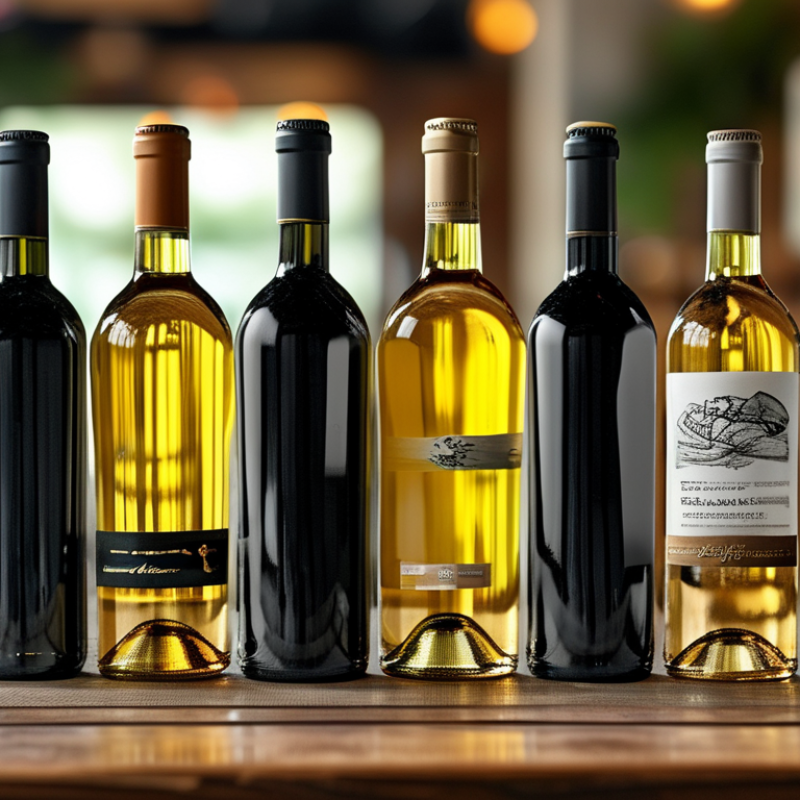
When it comes to selecting alcohol bottle sizes for your business, understanding the different options is crucial. Standard sizes include 750ml, which is common for wine and spirits, and larger formats like 1.5L or even 3L for events. Businesses aiming for high-volume sales may prefer larger bottles, as they offer better value for cost. Smaller sizes, such as 375ml, are often used for premium products. They attract customers looking for a taste test without a full commitment.
Additionally, certain settings benefit from specific sizes. Bars and restaurants may choose 1L bottles for well drinks, striking a balance between volume and convenience. On the other hand, niche markets, like craft distilleries, might offer unique sizes to stand out. It’s essential to consider your target audience and their purchasing habits when deciding. Experimenting with different sizes can provide insights. However, not every bottle size will suit your customer base, and this misalignment can lead to wasted inventory and unsatisfied customers. The choice can be complex, and there are always lessons to be learned.
Choosing the right alcohol bottle size for your business involves several key factors. One important consideration is customer preferences. Research shows that smaller bottles tend to attract younger consumers, while larger bottles appeal more to older demographics. This shift in preference can be crucial for inventory management. According to industry reports, nearly 35% of consumers prefer a 750ml bottle for shared occasions, while 1.5L bottles have become popular for gatherings.
Another significant factor is pricing strategy. The price per unit can vary greatly based on the bottle size. For example, 375ml bottles are often priced higher per milliliter compared to standard 750ml bottles. Importantly, packaging costs must also be evaluated. A report indicated that businesses save up to 20% in packaging costs when choosing bulk sizes over individual small bottles. This reveals the need for careful cost assessment, particularly for small businesses.
Understanding the target market’s consumption patterns is equally vital. Tracking sales data helps identify which bottle sizes perform better. However, the balance between variety and simplicity should be considered. Too many sizes can overwhelm customers, while too few may limit choice. Being mindful of these factors—consumer preferences, pricing, and consumption patterns—will better position your business in a competitive market.
Choosing the right bottle size can significantly impact your business costs. Larger bottles often appear more cost-effective per ounce. However, they may lead to higher initial investments and increased waste if not finished. Small bottles provide flexibility in pricing, helping to cater to various customer budgets. Their size can also entice customers to try out new products more easily.
When selecting sizes, consider your target market's preferences. If your clientele enjoys sampling, smaller bottles could be more appealing. Yet, too many small sizes might confuse customers or create inventory challenges. An ideal balance helps maximize sales while ensuring you do not overstock items that may not sell.
Regularly analyze your sales to identify trends. Are larger bottles moving fast, or are smaller ones more popular? Adjusting your offerings based on this data is crucial. Engaging with your customers for feedback can also provide valuable insights. The key lies in remaining adaptable to shifting preferences.
| Bottle Size (ml) | Cost per Bottle ($) | Cost per Liter ($) | Ideal Use Case | Customer Preference |
|---|---|---|---|---|
| 375 ml | 5.00 | 13.33 | Sample Tastings | High |
| 750 ml | 10.00 | 13.33 | Standard Sales | Very High |
| 1,000 ml | 15.00 | 15.00 | Bars and Restaurants | Medium |
| 1,500 ml | 22.00 | 14.67 | Large Events | Low |
| 3,000 ml | 40.00 | 13.33 | Negotiated Wholesale | Very Low |
When choosing alcohol bottle sizes, it’s crucial to understand their impact on customer experience and sales. Research from the Beverage Marketing Corporation indicates that around 45% of consumers prefer smaller bottles, as they offer value and reduce waste. Offering a variety of sizes caters to different customer needs. Larger bottles may appeal to social gatherings, while smaller bottles suit individual consumption.
Customer experience is closely tied to packaging. A study by Nielsen found that 66% of consumers are influenced by packaging when making a purchase. The right bottle size can create a perception of quality. An elegant design in a smaller format can attract customers who appreciate premium experiences. Conversely, a large bottle can evoke celebratory feelings during events, enhancing customer engagement.
Businesses must be mindful of potential pitfalls. Focusing solely on quantity can dilute brand perception. For instance, if a smaller bottle size conveys a sense of exclusivity, a larger one may risk appearing too common. Balancing size and price is critical. As customer preferences evolve, brands should continue monitoring data and feedback to stay relevant.
When selecting alcohol bottle sizes for your business, understanding regulatory considerations is crucial. Each region has unique laws governing the sale and distribution of alcohol. For instance, some jurisdictions may impose restrictions on bottle sizes to ensure standardization. Knowing these regulations helps avoid potential legal issues and fines.
It's also essential to consider consumer preferences. While smaller bottles cater to casual drinkers, larger bottles might attract enthusiasts. Assessing your target market's trends can inform your choice. However, be aware that what works today may not remain effective. Regularly revisiting your bottle size strategy is necessary for adaptability.
Keep in mind the production and shipping costs associated with different sizes. Larger bottles may lower per-unit costs, but they could lead to waste if customers prefer smaller volumes. Therefore, maintaining a balance between size options is vital. Your goal should be to meet consumer demands while complying with regulations, creating a reliable and responsible business framework.
: Consider customer preferences, pricing strategies, packaging costs, and consumption patterns.
Younger consumers prefer smaller bottles, while older demographics lean towards larger sizes.
About 35% of consumers prefer 750ml bottles for shared occasions like gatherings.
Smaller bottles, like 375ml, are often more expensive per milliliter than standard 750ml ones.
Choosing bulk sizes can save up to 20% in packaging costs compared to small bottles.
Tracking sales helps identify which bottle sizes sell better, informing future inventory decisions.
Different regions have laws governing alcohol sales, including restrictions on bottle sizes.
Too many sizes might overwhelm customers, while too few could limit choice. Balance is key.
Larger bottles can reduce per-unit costs, but waste may occur if consumers prefer smaller volumes.
Consumer preferences can change, so regular review helps maintain market relevance and adaptability.
When considering how to select bottle size for alcohol products, it is crucial to understand the different sizes available and their specific uses. Each bottle size can serve various business needs, from small samples to large quantities for events. Factors such as target market preferences, storage capabilities, and pricing strategies must be weighed to ensure the selected size aligns with business objectives.
Additionally, cost-effectiveness plays a significant role, as certain sizes may yield better profit margins depending on production and sales strategies. Bottle size can also influence customer experience, impacting their purchasing decisions and overall satisfaction. Furthermore, businesses should remain aware of regulatory considerations surrounding alcohol packaging to ensure compliance. By carefully evaluating these elements, businesses can make informed choices that enhance profitability and appeal to their audience.

Swapora Bottle