How Sustainable Are Glass Bottles for Packaging in 2026?

Time:2026-05-19 Author:Isabella
0%

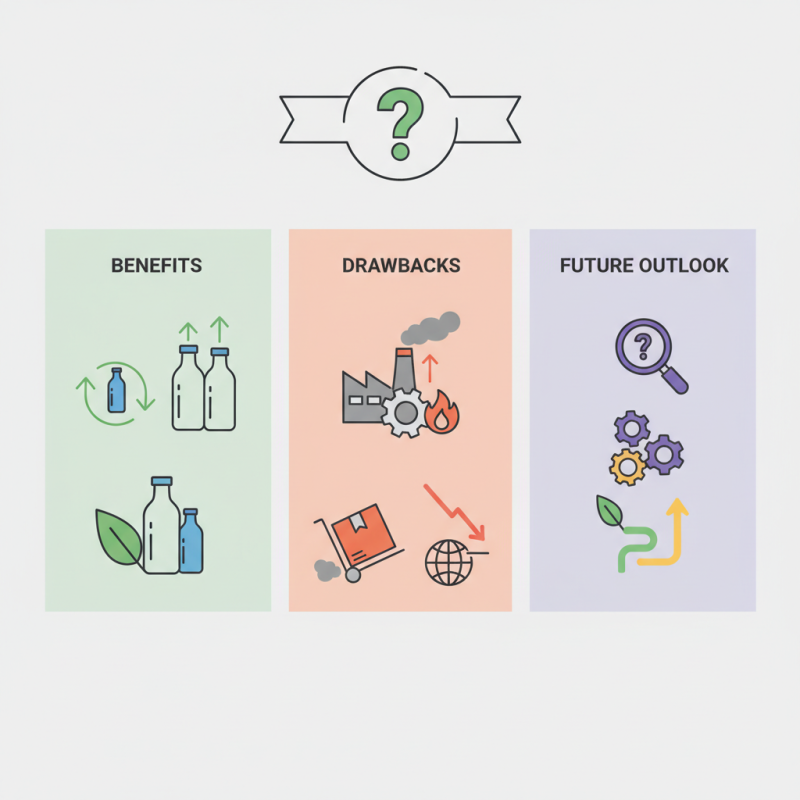
As we move towards 2026, the question of "how sustainable are glass bottles for packaging" becomes increasingly pertinent. Experts in sustainability are weighing the benefits and drawbacks of glass bottles. One notable voice in this field, Dr. Emily Thornton, states, "Glass bottles can be recycled endlessly but their production is energy-intensive." This highlights the paradox facing our packaging systems.

Glass bottles are often praised for their recyclability and reusability. They do not leach chemicals into their contents, which appeals to health-conscious consumers. However, the energy requirements for producing glass can overshadow these benefits. The production process involves high temperatures that demand significant energy. The logistics of transporting heavy glass also contribute to carbon emissions.

The packaging industry strives for sustainability, but challenges remain. More research is needed to balance the sustainability of glass with its environmental impact. This ongoing debate is crucial for brands and consumers alike, shaping future choices. Addressing these complexities will be vital as we work towards eco-friendlier packaging solutions.
How Sustainable Are Glass Bottles for Packaging in 2026?

Sustainability of Glass Bottles: An Overview of Environmental Impact

Glass bottles are often seen as a sustainable option for packaging. They are recyclable and can be reused multiple times. The production process uses sand, soda ash, and limestone. These materials are abundant, yet extraction can harm ecosystems. The energy required to produce glass is significant. It involves high temperatures that contribute to carbon emissions.

Recycling glass is beneficial. It reduces the need for raw materials and energy. However, glass must be collected, cleaned, and transported, which can generate waste. Not all glass bottles get recycled effectively. Some end up in landfills where they take years to decompose.

While glass bottles are durable, they are heavy. This weight increases transportation emissions. Some argue that lighter packaging options could be equally sustainable and more efficient. As we move toward 2026, the efficiency of glass bottles in supply chains remains debatable. Improving the recycling process and exploring alternative materials is essential for true sustainability.

The Production Process of Glass Bottles and Its Carbon Footprint

The production process of glass bottles is complex and involves several steps. First, raw materials like sand, soda ash, and limestone are sourced. These materials undergo high-temperature melting in furnaces, reaching temperatures above 1,500 degrees Celsius. This significant energy consumption contributes to a considerable carbon footprint. The type of energy used during this process can drastically affect sustainability outcomes.

After the melting, glass is shaped into bottles through molding. This stage also requires energy and contributes to emissions. While recycling glass bottles can mitigate some of the environmental impact, the initial production remains resource-intensive. Furthermore, many communities lack sufficient recycling infrastructures, leading to higher landfill rates.

Sustainability advocates often argue that the glass industry needs substantial improvements. Exploring renewable energy options in manufacturing could lower emissions. Innovative approaches, like improving recycling rates and reducing production waste, are necessary. However, many old facilities are slow to modernize, raising questions about their commitment to sustainability. Balancing production efficiency and environmental responsibility remains a challenging task in the bottles industry.

Carbon Footprint of Glass Bottle Packaging in 2026

This bar chart illustrates the carbon footprint associated with different stages of glass bottle packaging production in 2026. The most significant emissions arise from the raw material extraction and production processes, with transportation and recycling contributing lesser amounts of CO2 emissions.

Recyclability of Glass Bottles: Current Practices and Challenges

Glass bottles are often viewed as eco-friendly packaging options. Their recyclability is one of the key attributes contributing to this perception. According to the Container Recycling Institute, around 31% of glass bottles produced in the U.S. were recycled in 2020. While this figure is promising, many challenges hinder improvement in recycling rates.

One major issue is the loss during transportation. Approximately 30% of glass bottles get damaged before reaching recycling facilities. Moreover, various color types complicate the recycling process. This often leads to increased costs and energy consumption, undermining sustainability claims. Most recycling plants are not equipped to handle mixed-color glass, resulting in a significant waste stream.

Consumer awareness plays a crucial role as well. A 2021 survey indicated that 48% of individuals felt confused about glass recycling guidelines. This confusion leads to contamination, making entire batches unrecyclable. Education on proper practices is vital for enhancing bottle recyclability. Current recycling rates are adequate but could drastically improve with better consumer understanding and infrastructure support.

How Sustainable Are Glass Bottles for Packaging in 2026? - Recyclability of Glass Bottles: Current Practices and Challenges

Dimension 2026 Estimation Current Practices Challenges
Global Recycling Rate 70% Separate collection and processing Contamination of materials
Average Recycled Content 40% Use of cullet in production High energy consumption
Consumer Awareness 85% Educational campaigns Lack of accessible recycling options
Production Emissions Reduction 30% Adoption of cleaner technologies Investment cost
End-of-Life Options 95% recyclable Collection programs in place Infrastructure limitations

Consumer Perception of Glass Packaging Sustainability in 2026

In 2026, consumer perception of glass packaging has evolved significantly. A growing number of people view glass as a sustainable alternative to plastic. Many appreciate its recyclability and durability, which contribute to its eco-friendly image. However, the energy-intensive production process raises concerns. While glass can be recycled endlessly, not all facilities are equipped to handle it efficiently.

Awareness of environmental impacts plays a pivotal role in shaping opinions. Consumers are increasingly informed about the carbon footprint associated with glass manufacturing. Despite its positive aspects, the perception of sustainability is complex. Many wonder if the benefits outweigh the environmental costs involved in transportation and production.

Skepticism still exists. Some consumers report confusion about the true sustainability of glass versus other materials. They question whether glass truly contributes to a circular economy. This highlights an ongoing need for transparent communication from manufacturers. As consumers become more discerning, the glass industry must continue to address these concerns.

Future Innovations in Glass Bottle Design for Enhanced Sustainability

The future of glass bottle design is evolving. Innovative solutions focus on sustainability and reducing environmental impact. Lightweight glass bottles are gaining traction. These bottles use less material while maintaining durability. As a result, shipping costs and carbon emissions can decrease significantly.

Another key innovation is the use of recycled glass. Companies are creating closed-loop systems where bottles are recycled back into production. This reduces the need for raw materials and lessens energy consumption. It's an exciting approach, but challenges remain. The recycling process must be efficient and widespread to make a real impact.

Future glass bottles may also feature smart designs. For instance, bottles with embedded sensors can track usage and recycling. This technology encourages consumers to recycle properly. Nonetheless, developing such features can be complex. Balancing functionality and sustainability is not always straightforward. As the industry evolves, these reflections will guide better solutions.

FAQS

: What are the main raw materials used in glass bottle production?

: Glass bottles are made from sand, soda ash, and limestone.

How does the production of glass bottles impact energy consumption?

Melting glass requires high temperatures, over 1,500 degrees Celsius, consuming significant energy.

Are glass bottles recyclable?

Yes, glass bottles are recyclable, but many challenges impact recycling rates.

What happens to glass bottles during transportation?

About 30% of glass bottles get damaged before reaching recycling facilities, leading to waste.

How does consumer awareness affect glass recycling?

Confusion about recycling guidelines leads to contamination, causing entire batches to be unrecyclable.

What are lightweight glass bottles?

These bottles use less material while maintaining strength, reducing shipping costs and emissions.

How can recycled glass contribute to sustainability?

Using recycled glass reduces the need for raw materials and lowers energy consumption in production.

What future innovations are being considered for glass bottle design?

Smart designs with sensors can encourage proper recycling but might complicate production.

What challenges does the glass industry face in sustainability?

Many old facilities are slow to modernize, highlighting gaps in commitment to sustainability efforts.

How can recycling practices be improved?

Better consumer education and infrastructure support can enhance overall recycling rates for glass bottles.

Conclusion

The article titled "How Sustainable Are Glass Bottles for Packaging in 2026?" delves into the various factors that determine the sustainability of glass bottles. It begins by providing an overview of their environmental impact, highlighting both the benefits and drawbacks of using glass for packaging. The production process of glass bottles is examined in detail, with a focus on its carbon footprint and the energy-intensive nature of manufacturing.

Moreover, the recyclability of glass bottles is discussed, shedding light on current practices and the challenges faced in recycling efforts. The article also explores consumer perception of glass packaging sustainability in 2026, indicating a growing awareness and demand for eco-friendly options. Finally, it looks ahead to future innovations in glass bottle design that could further enhance sustainability, ultimately addressing the question of how sustainable are glass bottles for packaging in the coming years.

Isabella

Isabella

Isabella is a dedicated marketing professional with a sharp focus on driving brand growth and engagement through strategic content creation. With an extensive background in digital marketing, she combines her passion for storytelling with her keen understanding of industry trends to deliver......