Why is Glass the Preferred Choice for Alcohol Packaging?

Time:2026-05-22 Author:Mason
0%

In the world of alcohol packaging, the choice of material is crucial. Various studies reveal that around 70% of consumers prefer glass bottles over alternatives like plastic or metal. This preference stems from glass’s ability to preserve flavor, which is essential for quality beverages. Moreover, a report by the Glass Packaging Institute highlights that glass is a non-porous material. It protects contents from oxygen and external contaminants, ensuring the alcohol remains unchanged.

Why glass is preferred for alcohol packaging also relates to sustainability. Glass is 100% recyclable and can be reused multiple times without loss of quality. In fact, the Container Recycling Institute states that recycling glass saves 30% of energy compared to producing new glass. However, the industry faces challenges as some manufacturers struggle to innovate in the glass design, potentially limiting consumer engagement.

Additionally, the weight of glass poses logistical challenges and can increase shipping costs. While many appreciate the premium feel of glass, the price point can sometimes alienate budget-conscious consumers. Overall, while glass remains the top choice for alcohol packaging, the industry must continue evolving to address these imperfections.
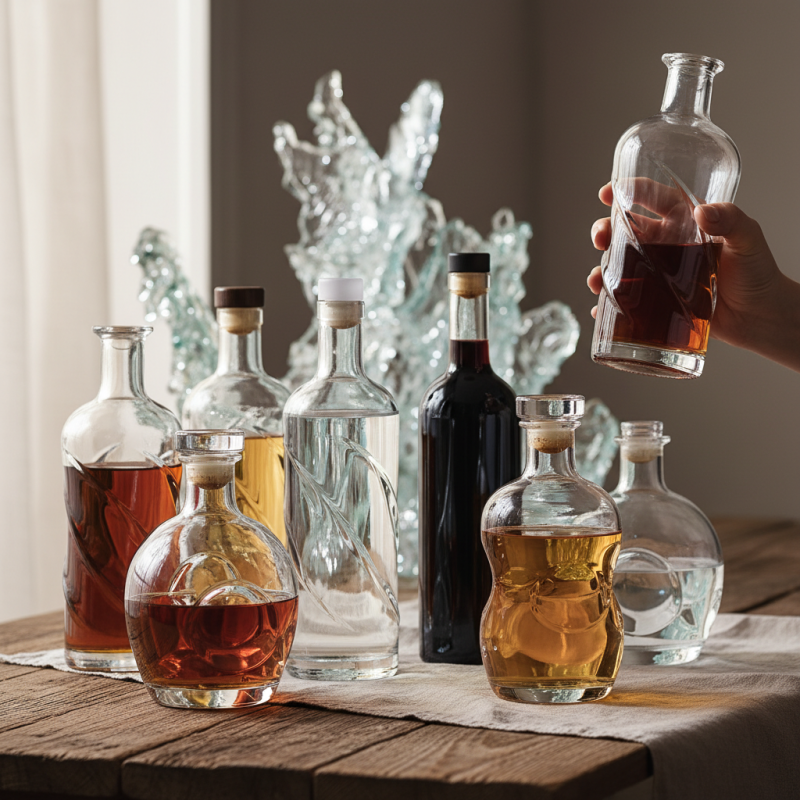
Why is Glass the Preferred Choice for Alcohol Packaging?

Benefits of Glass in Alcohol Packaging

Glass is increasingly recognized as the preferred choice for alcohol packaging due to its numerous advantages. One primary benefit is its ability to preserve the integrity of the beverage. Unlike plastic, glass is impermeable and does not interact chemically with the alcohol. According to the Beverage Marketing Corporation, consumer preference for glass packaging is evident, with over 70% of respondents favoring glass for premium spirits.

In terms of sustainability, glass stands out. It is 100% recyclable without losing quality. Reports indicate that recycling rates for glass containers are approximately 33% in many regions, a figure that indicates room for improvement. However, the environmental impact of glass recycling is significantly lower than that of producing new glass. This contributes to a reduction in carbon footprints, which is increasingly important as consumers become more environmentally conscious.

Furthermore, glass offers aesthetic appeal. It enhances the visual presentation of alcohol products, making them more attractive on store shelves. Some studies reveal that products in glass packaging can command up to 20% higher prices compared to those in alternative materials. Yet, packaging choices must also consider weight and transportation costs. This reflection highlights a need for balance between sustainability and practical logistics in the beverage industry.

Environmental Impact of Using Glass

Glass is often regarded as the premium choice for alcohol packaging due to its significantly lower environmental impact compared to other materials. According to a report by the Glass Packaging Institute, glass is 100% recyclable and can be recycled endlessly without losing quality. In fact, using recycled glass can save up to 30% in energy compared to manufacturing new glass. This is crucial in reducing carbon emissions and conserving natural resources.

While glass's recyclability is a considerable advantage, it also presents some challenges. The recycling rates vary across different regions; many areas still struggle with proper glass collection and sorting. This inconsistency in recycling infrastructure means that not all glass bottles are reused effectively, leading to potential waste. Moreover, the transportation of glass can be environmentally taxing due to its weight. Studies indicate that transporting glass over long distances increases greenhouse gas emissions significantly.

Despite these challenges, the overall benefits of glass packaging remain compelling. A life-cycle analysis from the European Container Glass Federation highlights that glass packaging has a lower environmental footprint than alternatives like plastic, especially when recycled efficiently. However, the industry must work collectively to improve recycling processes and consumer education. Addressing these areas can enhance the sustainability of glass packaging and reinforce its position as the preferred choice for alcohol products.

Why is Glass the Preferred Choice for Alcohol Packaging? - Environmental Impact of Using Glass

Dimension Glass Plastic Aluminum
Recyclability 100% recyclable Recyclable, but less frequently Recyclable
Carbon Footprint (per unit) Low Moderate Low
Impact on Product Flavor No impact Potential impact No impact
Durability Fragile Flexible Moderate
Weight Heavy Light Moderate

Comparison with Other Packaging Materials

When comparing glass to other packaging materials for alcoholic beverages, several factors come into play. Glass offers high impermeability, which protects the integrity of the drink. Unlike plastic, glass doesn't leach chemicals into the contents. This feature is crucial for maintaining flavor and aroma. Additionally, glass does not react with alcohol, ensuring that the taste remains pure.

Plastic, while lightweight and shatterproof, often struggles with odor retention and can detract from the overall drinking experience. Metal containers, like cans, provide durability but can impart a metallic taste. Consumers might notice this difference, affecting their preferences. Glass is also recyclable, appealing to eco-conscious buyers.

These qualities highlight why many manufacturers still prefer glass. Yet, it isn't without its challenges. Breakability and weight remain significant downsides. Any packaging solution must balance convenience with quality. Thus, while glass may reign supreme, it's essential to acknowledge the practical limitations it imposes.

Consumer Preference for Glass Bottles

Consumer preferences are shifting significantly towards glass bottles for alcohol. The tactile experience of glass is unmatched. When held, it feels premium and substantial. This sensory factor influences purchasing decisions greatly. Many consumers perceive glass as a mark of quality. It elevates the drinking experience, whether at home or in bars.

Moreover, glass is often seen as a safer choice. Unlike plastic, it does not leach chemicals into beverages. This concern resonates with health-conscious consumers. The environmental impact is another factor. Glass is recyclable and reduces waste. Despite the increased energy required for production, many consumers appreciate its sustainability benefits.

However, not all consumers are entirely convinced. Some mention the fragility of glass as a drawback. Breakage can lead to accidents, and this worries many. The weight of glass bottles can also deter some buyers. They often seek convenience, especially when on the go. Balancing these factors is essential for brands targeting mindful consumers.

Regulatory and Safety Considerations for Alcohol Packaging

The packaging of alcohol is heavily influenced by regulatory and safety considerations. Glass has become a preferred choice due to its inert properties. It does not react with the contents. This means that the quality and taste of the alcohol remain unaffected. Glass can also be easily recycled, aligning with sustainability goals. Such factors have contributed to its popularity among regulators and consumers alike.

Safety is paramount in alcohol packaging. Glass is robust enough to withstand pressure from carbonation in beverages. However, breakage is a risk, and manufacturers need to account for this. In some cases, shatter-proof glass or alternative materials are considered. It’s essential to create packaging that minimizes these risks.

Tips: Always check local regulations regarding alcohol packaging. Understand whether glass or alternative materials are preferred in your area. Regularly assess packaging safety and quality to ensure compliance. Engaging with experts can provide deeper insights into the best practices.

FAQS

: What are the environmental benefits of using glass?

: Glass is 100% recyclable and can be recycled endlessly. This reduces carbon emissions and conserves natural resources effectively.

Are there any challenges associated with recycling glass?

Yes, recycling rates vary by region. Some areas struggle with glass collection and sorting, leading to waste.

How does transporting glass affect the environment?

Glass is heavy, increasing greenhouse gas emissions during transport. Long distances exacerbate this environmental impact.

Why do consumers prefer glass bottles for alcohol?

Consumers value the premium feel of glass. It enhances the drinking experience and signals quality and safety.

What are consumers' concerns about glass bottles?

Some worry about glass fragility. Breakage can cause accidents, and the weight may deter convenience seekers.

How does glass packaging maintain alcohol quality?

Glass is inert and does not react with contents. This keeps the alcohol's taste and quality intact.

What safety considerations exist for alcohol packaging?

Glass can withstand pressure from carbonation, but breakage risks must be managed. Shatter-proof options are sometimes explored.

What should companies consider regarding local regulations?

Companies must check local regulations on alcohol packaging. Understanding preferences for materials is crucial for compliance.

How can the glass industry improve recycling processes?

The industry should focus on enhancing consumer education and developing better recycling infrastructures.

Is glass always the best option for packaging?

While glass has many advantages, its environmental impact needs to be assessed, especially considering transport emissions.

Conclusion

Glass is preferred for alcohol packaging for several compelling reasons. The benefits of glass include its ability to preserve the taste and quality of beverages, as it is impermeable and inert, preventing any interaction between the liquid and the container. Additionally, glass is environmentally friendly, being fully recyclable without loss of quality, which reduces its carbon footprint compared to other materials.

When comparing glass to alternatives like plastic or metal, consumers often express a strong preference for glass due to its perceived superiority in aesthetics and sustainability. Furthermore, regulatory and safety considerations play a crucial role, as glass is more likely to be accepted in various markets due to its safety features and chemical neutrality. Overall, these factors explain why glass is preferred for alcohol packaging, highlighting its advantages in quality preservation, environmental impact, consumer appeal, and safety.

Mason

Mason

Mason is a seasoned marketing professional with a deep expertise in the company's offerings and a passion for driving brand awareness. With a strong background in digital marketing strategies, he has an innate ability to connect with diverse audiences and effectively communicate product benefits.......