Understanding glass types is crucial for various applications. Among these, flint glass and extra flint glass often create confusion. Many wonder, "what is the difference between flint and extra flint glass?"
Flint glass is known for its high refractive index and clarity. It contains lead oxide, which enhances its optical qualities. In contrast, extra flint glass has a higher lead content. This increases its brilliance and makes it more suitable for fine optical instruments. The distinction can be subtle but significant, particularly for glass collectors and artisans.
Choosing the right type of glass can affect the outcome of a project. Artists might prefer extra flint for its exceptional clarity in decorative pieces. However, flint glass is often sufficient for everyday use. It's essential to consider the specific application when determining which type to use. Understanding these differences can lead to better decision-making in glass selection.
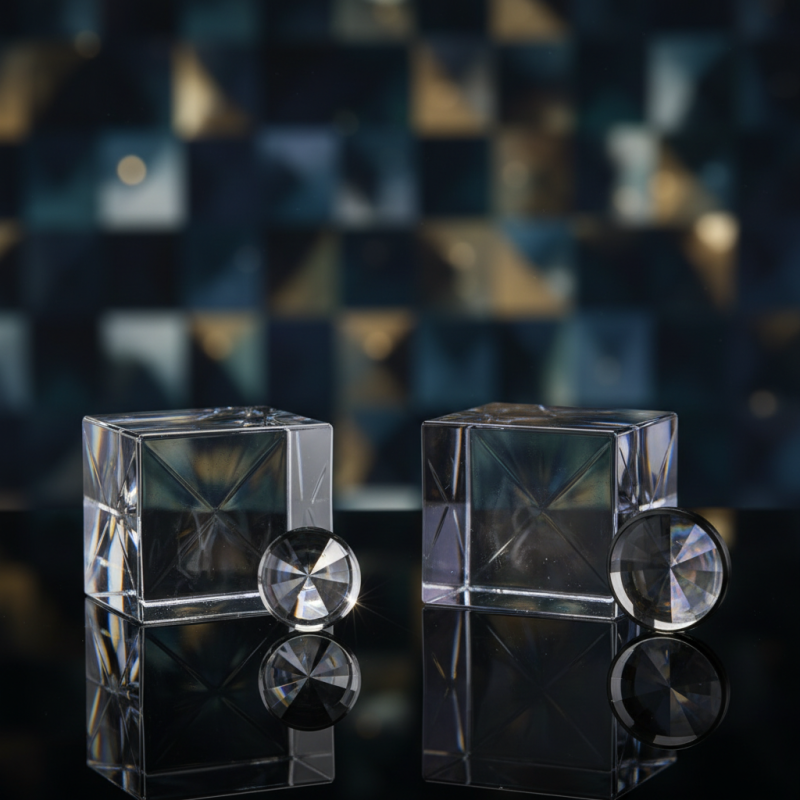
Definition of Flint Glass and Its Composition
Flint glass, known for its clarity, is a type of glass made primarily from silica, lead oxide, and other materials. Lead oxide gives it a higher refractive index, enhancing its brilliance and sparkle. Flint glass is often used in fine glassware and optical lenses. Its unique properties make it a popular choice for decorative items.
Extra flint glass shares similar composition but has less lead oxide. This results in lower density and reduced light refraction. Though it lacks some brilliance, extra flint glass is still valued for its optical clarity. It is often used in applications that require a lighter weight and lower cost. The balance between aesthetics and practicality becomes evident in glass manufacturing.
Understanding these distinctions is crucial for makers and users alike. The choice impacts both functionality and visual appeal. It's important to reflect on the purpose of the glass in each application. Sometimes, the ideal glass choice isn't the most brilliant; it may simply be the most suitable for the task at hand.
Key Characteristics of Extra Flint Glass
Extra flint glass, known for its exceptional optical qualities, differs from standard flint glass in several ways. It contains a higher content of lead oxide, which enhances its refractive properties. This increased lead content gives extra flint glass remarkable brilliance and clarity. The glass appears almost crystal-like, making it popular for fine glassware and decorative items.
When working with extra flint glass, consider its weight. The added lead oxide significantly increases its heft compared to regular flint glass. This might affect how you handle or use the glass in applications. Look out for potential fragility, as the thickness can vary and may lead to breakage.
Tips: Always check the specifications when selecting glass for specific projects. Understanding the differences in composition can save you time and frustration later. Pay attention to how the glass interacts with light. You’ll appreciate the vibrant colors extra flint glass can display.
Comparison of Flint Glass and Extra Flint Glass Characteristics
Comparison of Optical Properties between Flint and Extra Flint Glass
Flint and extra flint glass are often discussed in optical applications, yet their differences are crucial for professionals to understand.
Flint glass contains a higher lead oxide content, generally ranging from 24% to 30%. This composition significantly enhances the refractive index, typically measuring between 1.57 and 1.66.
This makes flint glass ideal for lenses that require superior light dispersion and brilliance. Its ability to bend light allows for vibrant colors in optical instruments.
On the other hand, extra flint glass incorporates an even higher lead oxide percentage, sometimes exceeding 30%. Its refractive index can reach up to 1.70.
Extra flint glass also shows lower light transmission compared to standard flint glass, but its increased dispersion provides greater control over chromatic aberration.
This makes it suitable for complex lens systems in high-end cameras and telescopes. The difference might appear slight, yet in optical precision, it plays a significant role.
Optical performance is one aspect, but there are concerns about the long-term effects of lead in glass. As professionals, we must reflect on the production methods and sustainability of these materials.
While flint glass delivers beautifully clear images, its environmental impact raises questions. Balancing optical excellence with ecological responsibility is an ongoing challenge for the industry.
Applications and Uses of Flint vs. Extra Flint Glass
Flint glass contains lead oxide, enhancing its refractive qualities. Typical uses include fine glassware and optical lenses. The lead content can reach up to 30%, offering exceptional clarity and brilliance. According to a 2022 industry report, flint glass is preferred for items requiring intricate details, reflecting around 80% of light.
Extra flint glass, with lower lead content, remains popular for different applications. It offers high transparency while being lighter. This glass type often finds its place in scientific instruments and high-end lighting fixtures. Studies indicate that extra flint glass retains about 90% light transmission. Its properties make it advantageous for applications where weight is a concern, but optical excellence is still required.
Both types of glass have unique benefits. Users must consider their specific needs before choosing. The heavier weight of flint glass can be cumbersome in some settings. Meanwhile, extra flint glass may lack some deep color saturation. The decision ultimately depends on the intended purpose and desired aesthetic.
What is the Difference Between Flint and Extra Flint Glass? - Applications and Uses of Flint vs. Extra Flint Glass
| Property |
Flint Glass |
Extra Flint Glass |
| Refractive Index |
1.50 - 1.60 |
1.60 - 1.70 |
| Lead Content |
~10-25% |
>25% |
| Applications |
Optical lenses, decorative glassware |
High-end optics, prisms |
| Weight |
Heavier due to lead content |
Even heavier |
| Color |
Clear to light blue |
Clear to very high optical clarity |
Historical Development and Advances in Flint Glass Manufacturing
Flint glass has a rich history that dates back to the early 17th century. Its unique composition includes lead oxide, which enhances clarity and refractive properties. This made it popular for fine glassware and decorative pieces. Early artisans prided themselves on their craftsmanship. However, creating high-quality flint glass was a challenging process. The techniques were not always consistent, leading to variations in finish and clarity.
Over the decades, advancements in technology have improved the manufacturing process. Innovations in melting techniques and the introduction of precise measurement tools have resulted in more uniform products. The transition from traditional methods to modern machinery has increased efficiency. Still, some purists argue that automation compromises the artistry of flint glass. Despite these debates, the demand for high-quality extra flint glass continues to grow. It presents a fresh perspective on a classic material. A balance between tradition and innovation remains crucial in this field.
FAQS
: Flint glass is primarily made from silica, lead oxide, and other materials.
Lead oxide increases the refractive index, enhancing the glass's brilliance and sparkle.
Extra flint glass has less lead oxide, which results in lower density and reduced light refraction.
It is often used in applications requiring lighter weight and lower cost, like some optical items.
Extra flint glass is significantly heavier due to its higher lead oxide content.
Optical clarity impacts both the visual appeal and functionality of the glass in its intended use.
Yes, its varying thickness may lead to breakage if not handled carefully.
Not always. Sometimes, the best choice is the one that combines practicality with adequate aesthetics.
Always check specifications and understand how the glass interacts with light for the best results.
Conclusion
Flint glass is a type of glass known for its high refractive index and brilliance, primarily composed of silica, lead oxide, and other materials. In contrast, extra flint glass, which contains a higher lead content, exhibits superior optical characteristics, including enhanced clarity and light dispersion. When exploring what is the difference between flint and extra flint glass, one can note that the latter is often preferred in applications requiring exceptional optical quality, such as in fine glassware and optical instruments.
Historically, both types of glass have undergone significant advancements in manufacturing techniques, allowing for improved purity and consistency in their properties. While flint glass is commonly used for everyday items, extra flint glass’s unique characteristics make it ideal for specialized uses. Understanding these distinctions helps in selecting the appropriate glass type for specific applications, emphasizing the importance of material choice in the glass industry.

 Swapora Bottle