How to Customize Glass Bottles for Effective Branding?

Time:2026-05-07 Author:Liam
0%

Glass bottles have become a popular choice for brands aiming to elevate their image. However, it's essential to understand how to customize glass bottles for branding effectively. This process is not just about aesthetics; it's about creating a lasting impression. A well-designed bottle can attract customers and communicate your brand's values.

Many businesses overlook the importance of customization. They may pick generic designs or labels, missing opportunities to stand out. Unique colors, shapes, and labels can capture attention and foster a connection with consumers. Additionally, incorporating sustainable practices in your design can enhance your brand's reputation. Consumers appreciate brands that care about the environment.

Reflecting on what works can be tricky. What resonates with your audience? Testing various designs can yield insights. Monitor customer feedback closely. Be willing to adapt and refine your approach. In a competitive market, knowing how to customize glass bottles for branding can make a significant difference.
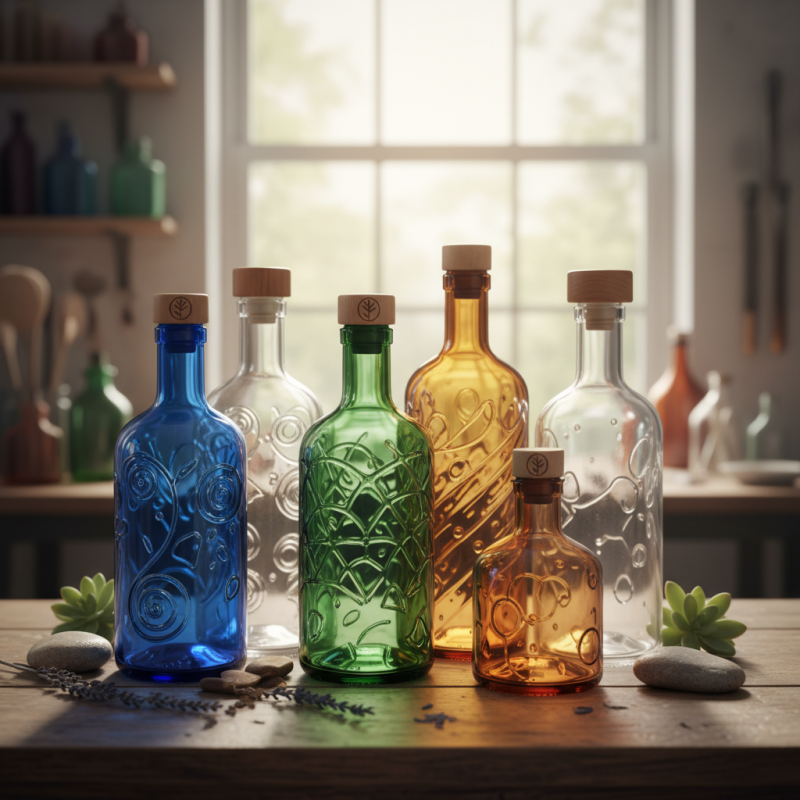
How to Customize Glass Bottles for Effective Branding?

Understanding the Importance of Custom Glass Bottles in Branding

Custom glass bottles serve as powerful branding tools. They attract attention with their unique designs and high-quality feel. Brands can create a strong identity through customized features. These bottles convey professionalism and elevate product perception. Consumers often associate glass bottles with premium quality. This can boost loyalty and encourage repeat purchases.

When designing custom bottles, focus on your target audience. Understand their preferences and tastes. Use colors and shapes that resonate with them. Clear, concise labels help convey your message effectively. Integrating your logo can reinforce brand recognition. Consider adding tactile elements, like embossed textures. This creates a memorable experience for customers.

Remember that simplicity is key. Overcomplicated designs can confuse buyers. Test different designs and gather feedback. It helps to refine your approach. People appreciate simplicity blended with creativity. Use these insights to adjust your branding strategy. Stay relevant and responsive to changing trends. Custom glass bottles can significantly enhance your brand visibility.

Key Customization Techniques for Enhancing Brand Identity

Customization of glass bottles can greatly enhance brand identity. One critical technique involves utilizing unique designs and shapes. According to a 2022 industry report, 72% of consumers prefer products in custom shapes. This not only attracts attention but also makes the product memorable. Consider using tapered or embossed designs to convey luxury or uniqueness.

Another essential method is applying personalized labels. Research indicates that 65% of consumers make purchasing decisions based on label design. Invest in high-quality graphics and fonts. Words should communicate your brand message clearly. Incorporating sustainable materials can also improve brand perception. A study found that 54% of consumers are likely to choose brands committed to eco-friendliness.

Using color psychology further enhances branding. Different colors evoke distinct emotions. For example, blue often represents trust, while green signifies health. A well-chosen palette can connect with your audience on a deeper level. Regularly review market trends as consumer preferences can shift. Adapting your designs can ensure your brand remains relevant and appealing.

Leveraging Color Psychology in Glass Bottle Design

Color psychology plays a crucial role in glass bottle design. The colors you choose can significantly influence consumer behavior. For example, blue often evokes trust and security. Green symbolizes health and eco-friendliness. Carefully selecting these colors can help your brand resonate more deeply with your audience.

When designing your glass bottles, consider the emotions you want to trigger. Warm colors like red and orange can create excitement. In contrast, cooler shades tend to calm and relax. It’s essential to know your target market. Reflect on how different demographics respond to colors. Gather feedback, and adjust your designs accordingly.

**Tips for Customization:** Start by creating color prototypes. Test these with focus groups for genuine reactions. Experiment with gradients or multiple colors to add depth. Remember, imperfect designs often prompt reflection. A bottle that is slightly irregular can tell a unique story. Engage your customers in this narrative, allowing them to feel a personal connection to your brand.

Utilizing Labeling and Graphics to Convey Brand Messaging

Customizing glass bottles for branding is an art. The label and graphics play a crucial role in communication. A well-designed label catches the eye and conveys the brand’s message. Colors, fonts, and images all contribute to the overall impression. Choose a color palette that resonates with your audience. It’s an effective way to establish brand identity.

Graphics can tell a story. They should reflect the essence of the product. Simple icons or illustrations often work better than complex designs. Too much information can confuse customers. Clarity is key in labeling. A direct approach often yields better results. Think about how consumers interact with products. Label placement is also essential. It should be visible but not overwhelming.

To make an impact, consider tactile elements. Textures or finishes can create a memorable experience. However, this can be challenging. Balancing aesthetics and functionality is crucial. Test different designs to see what resonates. Sometimes, less is more. This trial-and-error process can lead to new insights about your brand’s visual language. Keep refining.

Analyzing Market Trends and Consumer Preferences in Glass Bottles

The glass bottle market has seen significant changes in recent years. Many consumers now prioritize sustainability. They are eager to purchase products that utilize eco-friendly materials. This trend is largely driven by a growing awareness of environmental issues. Customization in glass bottles can attract these conscious buyers. Unique designs, shapes, and colors can enhance a brand's appeal.

Moreover, consumers are drawn to personal stories. Brands that share their narrative can build stronger connections with customers. Authenticity is essential, and this can be reflected in packaging. However, it’s vital to balance aesthetics with functionality. A beautifully designed bottle must also serve its practical purpose. Gathering feedback is crucial to refine designs that resonate with the target audience.

Finally, staying current with design trends is a necessity. Trends can shift quickly, influenced by social media and cultural movements. Brands that fail to adapt risk losing relevance. A continuous analysis of consumer preferences can help brands stay ahead. Engaging with consumers through surveys or social platforms can yield valuable insights. Such interactions are essential for meaningful growth.

FAQS

: How does color psychology impact glass bottle design?

: Colors can influence consumer behavior. For example, blue evokes trust, while green symbolizes health. Choose colors that resonate with your audience.

What emotions should designers consider when selecting colors?

Designers should consider triggering excitement with warm colors, like red. Cooler shades tend to calm and relax consumers.

How can brands gather feedback on their designs?

Brands should create color prototypes and test them with focus groups. Genuine reactions can help refine designs effectively.

What is essential in labeling for glass bottles?

Clarity is key in labeling. A direct message with simple graphics can effectively communicate the brand’s essence to consumers.

What role do tactile elements play in bottle design?

Textures or finishes can enhance the user experience. However, balancing aesthetics with function is always important.

Why is storytelling important in bottle design?

Simple graphics can tell a story, creating a personal connection with customers. Authenticity strengthens brand relationships.

How can brands respond to sustainability trends in glass bottle design?

Brands should use eco-friendly materials and unique designs. Sustainability appeals to conscious buyers in the current market.

Why is continuous market analysis necessary?

Trends can shift quickly due to social influence. Brands must adapt to avoid losing relevance, staying in touch with consumer preferences.

How can brands effectively engage with consumers?

Engaging through surveys or social media can provide valuable insights. These interactions foster meaningful growth and improve brand identity.

What should brands reflect on during the design process?

Brands must balance aesthetic appeal with functionality. Imperfect designs can prompt reflection and add uniqueness.

Conclusion

In today's competitive landscape, understanding how to customize glass bottles for branding is crucial for businesses aiming to strengthen their market presence. Custom glass bottles not only serve as a functional container but also play a significant role in brand identity. Key customization techniques include choosing distinctive shapes, sizes, and finishes that reflect the brand’s ethos.

Moreover, leveraging color psychology can enhance consumer perception and evoke desired emotions associated with the brand. Effective labeling and graphics are essential tools that convey brand messaging clearly and attractively. Lastly, staying informed about market trends and consumer preferences helps in designing glass bottles that resonate with target audiences, making the customization process an impactful aspect of branding strategies.

Liam

Liam

Liam is a dedicated marketing professional with a profound expertise in the industry, where he excels at highlighting the unique advantages of our core products. With a keen understanding of market trends and consumer needs, Liam frequently updates our company’s professional blog, providing......