When it comes to choosing the right glass for liquor bottles, many factors come into play. Industry expert Dr. Emily Carter states, "The type of glass you use can impact both the aesthetic and taste of the liquor." This emphasizes the importance of selecting the best materials for packaging premium spirits.
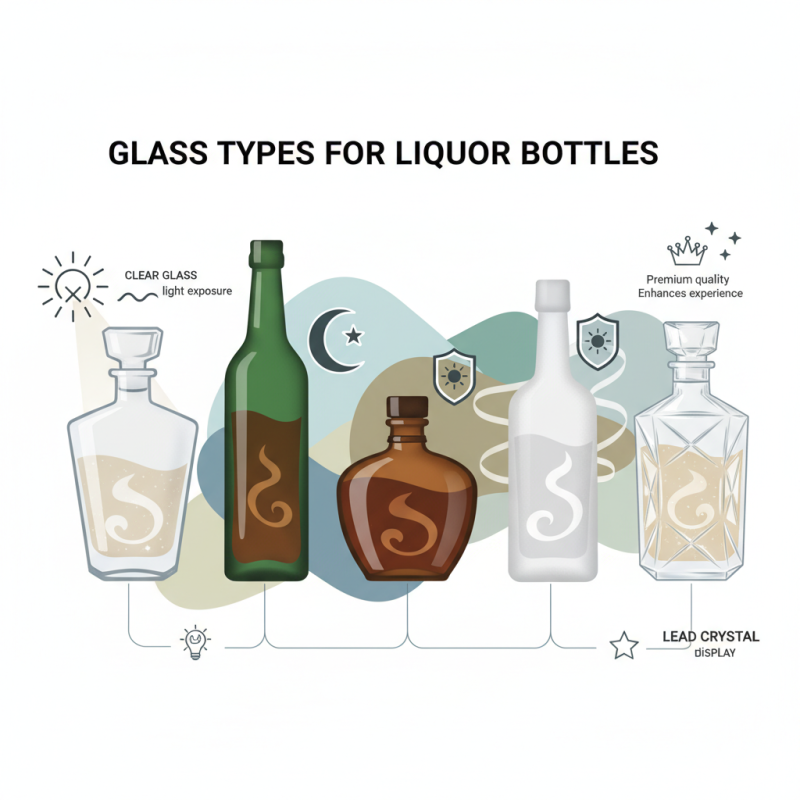
Understanding what type of glass is best for liquor bottles can enhance the overall drinking experience. Common choices include clear glass, green glass, brown glass, frosted glass, and lead crystal. Each type serves a specific purpose, whether it's protecting the liquor from light or providing an attractive display.
However, many people overlook how glass affects the liquor's quality over time. For example, clear glass allows more light exposure, which may alter the flavor of delicate spirits. This detail is crucial for both producers and consumers. Investing time to learn about the best glass options can make a significant difference in enjoyment and preservation. It’s worth exploring the choices available to find the perfect fit for your drink of choice.
Understanding the Role of Glass in Liquor Bottles
The type of glass used for liquor bottles plays a vital role in preserving quality. Unlike plastic, glass is impermeable and non-porous, ensuring that the liquor’s flavor remains intact. According to industry studies, glass can prevent oxidation, which is crucial for maintaining the integrity of fine spirits. A recent report highlighted that up to 70% of consumers prefer glass packaging due to its premium feel and sustainability.
Different glass types offer varied protection against light and temperature fluctuations. For instance, amber glass bottles are preferred for spirits like whiskey. They shield against UV rays, prolonging shelf life. Clear glass, while visually appealing, may expose the product to light damage. It’s essential to weigh aesthetics against functionality when selecting glass types. Notably, while many brands favor clear glass for its modern look, this can compromise the liquor's taste over time.
Not every glass option is perfect. Some manufacturers overlook the recycling capabilities of their glass. A significant percentage of consumers now prioritize eco-friendly materials. However, the choice of glass can sometimes lead to waste. Ensuring a balance between quality, sustainability, and visual appeal is necessary. Ultimately, understanding the role of glass in liquor packaging is essential in making an informed decision for both producers and consumers.
Best 5 Glass Types for Liquor Bottles
| Glass Type |
Durability |
Weight |
Oxidation Resistance |
Cost |
| Borosilicate Glass |
High |
Lightweight |
Excellent |
Moderate |
| Soda-Lime Glass |
Medium |
Heavy |
Good |
Low |
| Crystal Glass |
Medium |
Light to Medium |
Good |
High |
| Tempered Glass |
High |
Medium |
Excellent |
High |
| PP (Polypropylene) |
Medium |
Very Lightweight |
Fair |
Low |
Types of Glass Used in Liquor Bottles and Their Characteristics
When considering liquor bottles, the type of glass used is crucial. Various glass types offer different benefits for preserving and showcasing spirits. The most common types include flint glass, green glass, brown glass, PET, and lead glass. Flint glass provides excellent clarity, making it visually appealing. It allows consumers to appreciate the color and texture of the liquor.
Green glass is often used for its aesthetic and protective qualities. It helps block harmful UV rays, preserving the drink's flavor. Brown glass offers similar protection, making it ideal for light-sensitive liquors. On the other hand, PET plastic is lightweight and shatter-resistant, but it may not provide the same luxury feel.
Lead glass, while beautiful and elegant, raises concerns. Lead can leach into the liquid over time, especially if stored long-term. Consumers must consider the safety of what they drink. Each glass type brings distinct characteristics, but not every option is perfect for every situation. Reflecting on personal preferences and practical needs is essential in making the right choice for liquor storage.
Best 5 Glass Types for Liquor Bottles
Benefits of Choosing Quality Glass for Liquor Storage
Choosing quality glass for liquor storage is essential. Glass is inert and does not react with the liquor. This helps maintain the drink's original taste and aroma, crucial for connoisseurs. High-quality glass can also be more resistant to scratches and impacts. This durability ensures that your liquor stays secure inside a stylish bottle.
Different types of glass offer unique benefits. Some glasses can be thick, which can help with insulation. Others may have intricate designs that enhance visual appeal. However, it's important to consider how these features affect usability. A beautiful bottle might look good but could be difficult to handle.
Investing in quality glass helps preserve the spirit's integrity. Many don’t realize that cheap glass can have flaws, leading to air exposure. Oxidation can alter the flavor. Thus, selecting the right type of glass is critical for long-term storage. While it might cost more upfront, the benefits are well worth it.
Comparative Analysis of Common Glass Types for Liquor Bottles
When choosing glass for liquor bottles, the options can be overwhelming. Each type has unique properties that affect taste, preservation, and aesthetic appeal. A comparative analysis sheds light on the best choices for the industry. The two most common types are flint glass and green glass. Flint glass offers better clarity, which enhances visual appeal. It's often used for premium spirits.
Green glass is popular due to its UV protection. According to industry reports, nearly 30% of consumers prefer green bottles for their ability to preserve flavor. However, clear glass can lead to light exposure, affecting taste over time. Be wary of using clear glass for long-term storage.
Tips: Always prioritize quality glass. Ensure it meets food safety standards. Consider the bottle's shape; traditional, elegant designs are often more appealing. Reflect on your target market's preferences. A well-informed choice can enhance brand perception.
An additional option is PET plastic, gaining traction for its lightweight nature. While it’s not as effective for preservation, it’s cheaper and recyclable. Relying solely on plastic might undermine brand image. Assessing consumer sentiments is crucial. Industry data shows that 40% of buyers favor traditional glass over plastic. This highlights the importance of maintaining a balance between innovation and consumer trust.
Factors to Consider When Selecting Glass for Bottling Spirits
Selecting the right glass for bottling spirits involves several critical factors. One vital aspect is the glass type, as it impacts product preservation and presentation. According to a study by the Glass Packaging Institute, the right glass can enhance product quality and maintain flavor integrity. Dark glass, for instance, provides UV protection for sensitive spirits. Clear glass, while visually appealing, may not offer the same protection.
Another factor to consider is the weight and thickness of the glass. Thicker bottles often provide better durability, reducing the risk of breakage during transport. However, lighter bottles may be more environmentally friendly. The International Bottled Water Association reports that lightweight bottles contribute to lower carbon footprints. Brands must strike a balance between aesthetics and functionality.
Ultimately, the choice of glass can significantly influence consumer perception. A high-quality bottle design can enhance brand image and attract buyers. Nevertheless, it's essential to consider cost implications as well. Some brands may opt for cheaper options, risking glass quality. The trade-offs in material selection can lead to reflection on brand values and customer satisfaction. Understanding these elements is crucial for making informed decisions in the spirits industry.
FAQS
: Common types include flint glass, green glass, brown glass, PET, and lead glass.
Flint glass offers excellent clarity, enhancing the visual appeal of the liquor inside.
Green glass blocks harmful UV rays, which helps to preserve the drink's flavor longer.
Lead glass can leach into the liquor over time, raising safety concerns for consumers.
Quality glass is inert, durable, and resistant to scratches, helping maintain the original taste of the liquor.
Yes, the bottle's shape and design can affect usability and aesthetic appeal, influencing consumer choice.
PET is lightweight but offers lesser preservation benefits and may undermine brand perception.
Cheap glass can allow air exposure, leading to oxidation that alters the flavor of the liquor.
Individual needs and preferences can impact the choice of glass, ensuring optimal storage and appeal.
Many consumers favor traditional glass over plastic, emphasizing the importance of balancing innovation and trust.
Conclusion
When it comes to selecting what type of glass is best for liquor bottles, it's essential to understand the role that glass plays in preserving the quality and flavor of spirits. Various types of glass, such as flint glass, green glass, and amber glass, each come with unique characteristics that can affect durability, light exposure, and overall aesthetics. High-quality glass not only ensures better storage conditions by protecting the beverage from UV rays and contamination but also enhances the visual appeal of the bottle.
In a comparative analysis of common glass types for liquor bottles, factors such as weight, thickness, and transparency are crucial considerations. Choosing the right glass is vital for maintaining the integrity of the spirit, making it critical for producers to evaluate these factors when bottling their products. Ultimately, understanding these components can aid in determining what type of glass is best for liquor bottles, ensuring both functionality and attractiveness.

 Swapora Bottle