When considering what type of glass is best for liquor bottles, a variety of factors come into play. Glass clarity, thickness, and chemical composition significantly affect the quality and appeal of the product. According to the Glass Packaging Institute, approximately 70% of consumers prefer glass packaging for beverages. This preference underscores the importance of choosing the right glass for liquor.
Quality glass can enhance the perceived luxury of a brand. A study by the Beverage Marketing Corporation found that bottles with a heavier gauge glass are often associated with higher-end products. However, the cost of heavier glass can be a concern for manufacturers. Striking a balance between quality and affordability is essential.
Despite the established preferences, the right glass choice may be elusive for some brands. Inconsistent supplier quality can lead to varying results. It's crucial for brands to collaborate with reputable suppliers to ensure consistent quality and maintain consumer trust. Ultimately, understanding what type of glass is best for liquor bottles can elevate both product quality and brand reputation.
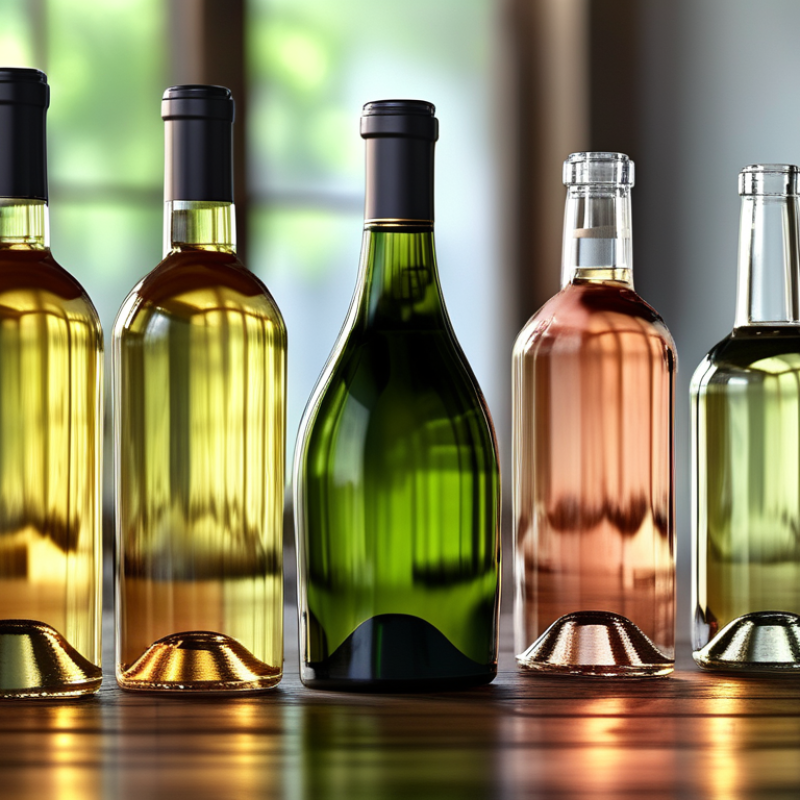
Types of Glass Used in Liquor Bottles
When it comes to liquor bottles, the type of glass you choose matters. Different types of glass serve distinct purposes, influencing not just aesthetics but also functionality. Most liquor bottles are made of either flint glass or colored glass. Flint glass is clear and showcases the liquid’s color and clarity. It’s often used for premium spirits.
Colored glass, like green or brown, serves a vital role in protecting the contents from UV light. This helps to preserve the liquor’s flavor and quality. Distillers often prefer colored glass for their products. The light can degrade the flavor. Therefore, choosing the right type of glass can impact the longevity of your spirit.
Tips: Always consider the purpose of your liquor. If you’re planning to display it, clear flint glass may be appealing. For long-term storage, colored glass has its advantages. Observe how different glass types absorb or reflect light. A thoughtful choice leads to better quality and presentation. Reflect on your selections. Sometimes, the best choice requires more than just aesthetics.
Advantages of Clear Glass for Liquor Packaging
Clear glass has become the preferred choice for liquor packaging. Its transparency offers a significant advantage, allowing consumers to see the product inside. This visibility can enhance the aesthetic appeal, making the liquor more enticing. Consumers often associate quality with the ability to view the product before purchase. Clear glass showcases the rich colors of spirits, inviting curiosity and interest.
Furthermore, clear glass can convey a sense of purity and authenticity. This is essential in an age where many consumers seek transparency in their selections. Brands that utilize clear glass often project an image of trustworthiness. However, some might worry about the potential for light exposure. Ultraviolet light can affect the flavor integrity over time. This concern makes it vital for brands to consider additional protective measures.
Using clear glass may require a careful balance. It’s not just about aesthetics; functionality matters too. While clear glass attracts buyers, it can lead to overexposure of the product. Reflecting on these elements is crucial for liquor brands aiming to stand out. Choosing the right glass is about more than just looks; it involves strategic thinking about quality and presentation.
Advantages of Clear Glass for Liquor Packaging
Impact of Colored Glass on Liquor Preservation
Colored glass bottles play a crucial role in the preservation of liquor. Their tinted surfaces can significantly reduce light penetration. A study by the Beverage Innovation Factory highlights that UV rays can degrade certain compounds in spirits, affecting flavor and aroma. Dark bottles shield contents from harmful light, ensuring a better quality product over time.
For distillers and brewers, choosing the right glass color is essential. Amber and green glass offer the best protection against light. These colors block out more harmful wavelengths than clear glass. According to industry experts, spirits stored in colored bottles can maintain their quality for months longer than those in transparent packaging.
Tip: When bottling your liquor, consider using colored glass to enhance shelf life. This simple step can lead to better taste and aroma.
Remember, while colored glass is beneficial, it's not a cure-all. Factors like storage conditions also contribute to preservation. Evaluate your entire bottling process for optimal results.
What Type of Glass Is Best for Liquor Bottles Tips - Impact of Colored Glass on Liquor Preservation
| Glass Type |
Color |
Impact on Preservation |
Aesthetic Appeal |
| Clear Glass |
Transparent |
Does not filter light; may reduce shelf life |
Classic look; showcases liquor color |
| Green Glass |
Olive/Green |
Blocks UV light; better for preserving flavor |
Elegant and vintage appearance |
| Amber Glass |
Amber/Brown |
Excellent UV protection; extends shelf life |
Stylish and unique |
| Frosted Glass |
Opaque |
Perceived to offer good protection; reduces light exposure |
Modern and sleek design |
| Colored Glass |
Varieties (e.g., Blue, Red) |
Dependent on specific color; can block certain wavelengths |
Bold and eye-catching |
Choosing Safe and Durable Glass Standards
When selecting glass for liquor bottles, safety and durability are key concerns. High-quality glass ensures that the contents remain untainted. Look for materials that meet industry standards.
Clear glass is popular, as it allows for color visibility. This feature can enhance marketing appeal while showcasing the liquid's quality.
Tempered glass is another excellent choice. It is designed to withstand temperature changes and impact. This type of glass reduces the risk of breakage, making it a safer option for both manufacturers and consumers. However, not all glass is treated equally. Some bottles may look attractive but lack the necessary strength. It’s essential to conduct thorough research.
Recycling and environmental impact are now vital considerations. Glass is recyclable, but the production process can be energy-intensive. Bottles made from recycled glass can be an eco-friendly alternative.
Nevertheless, the quality must not be compromised. Finding a balance between aesthetics, durability, and environmental responsibility is not always easy. A robust inspection process can help ensure that all standards are met.
Environmental Considerations in Glass Bottle Production
Glass bottles have been a popular choice for liquor due to their ability to preserve flavor and aroma. However, the environmental impact of glass production is significant. According to the International Energy Agency, glass manufacturing accounts for about 5% of global industrial energy use. This high energy requirement raises concerns about sustainability.
The raw materials for glass, primarily sand, soda ash, and limestone, are extracted from natural resources. This process can lead to habitat destruction and increased carbon emissions. A report from the Glass Packaging Institute notes that recycling glass can significantly reduce these emissions. Recycling uses 30% less energy than producing new glass from raw materials. Yet, only about 33% of glass containers are recycled in the U.S. This highlights the need for better consumer participation in recycling programs.
While glass is often seen as a sustainable option, it is not without flaws. Transporting heavy glass bottles results in higher carbon footprints compared to lighter packaging. Innovations are needed to create more eco-friendly alternatives. The industry must reflect on these challenges and find solutions to balance functionality and environmental responsibility.
Conclusion
When considering what type of glass is best for liquor bottles, there are several factors to take into account. Different types of glass each offer unique advantages; clear glass, for instance, is popular for its aesthetic appeal and ability to showcase the product inside. Conversely, colored glass can enhance liquor preservation by protecting contents from harmful UV light, thus extending shelf life.
Additionally, it’s crucial to prioritize safety and durability by adhering to established glass standards. Environmental considerations also play a significant role in the production of glass bottles, with many manufacturers now focusing on sustainable practices to reduce their carbon footprint. Ultimately, selecting the right type of glass not only impacts the visual appeal and safety of liquor packaging but also aligns with environmentally conscious practices.

 Swapora Bottle